On a balmy September afternoon back in 2012, three friends and I were sitting on our suitcases in the bustling complex that is Heathrow Airport. We’d already played the find-the-most-expensive-item-in-duty-free game and were killing time for the gate to flare up on the departures board. We were bound for Uganda, to our partner school in the north, on what could so very easily be construed as your generic gap yah adventure. We were under no illusions as to that. Teddy made a joke about one of us ‘finding ourselves’ out there. Maddie was quick to reply that she’d already found herself right here in the terminal. That made me chuckle – probably because, with good reason, that joke about ‘finding yourself’ was squarely directed at me.
I’ll admit it. I have a habit of falling head over heels for things. Especially places. It goes with the terrain of being a self-confessed Romantic. Naturally, this obsession with location carries over into my reading. Setting is one of the first things that I look for when I read a book. Bother dialogue. Bother clever plot twists. If the cast doesn’t travel any further than their cul-de-sac then I’m out. Any author that can make the setting just as enthralling as the plot has me round their finger. That’s why I’ve always adored M.M. Kaye’s The Far Pavilions. India comes to life through her words, so vividly that at times I could almost hear it, smell it, feel it through the pages. Michelle Paver weaves a similar magic in her writing, and I earnestly try to conjure the same enchantments in my own efforts, though Spain is a fickle mistress and so very hard to please.
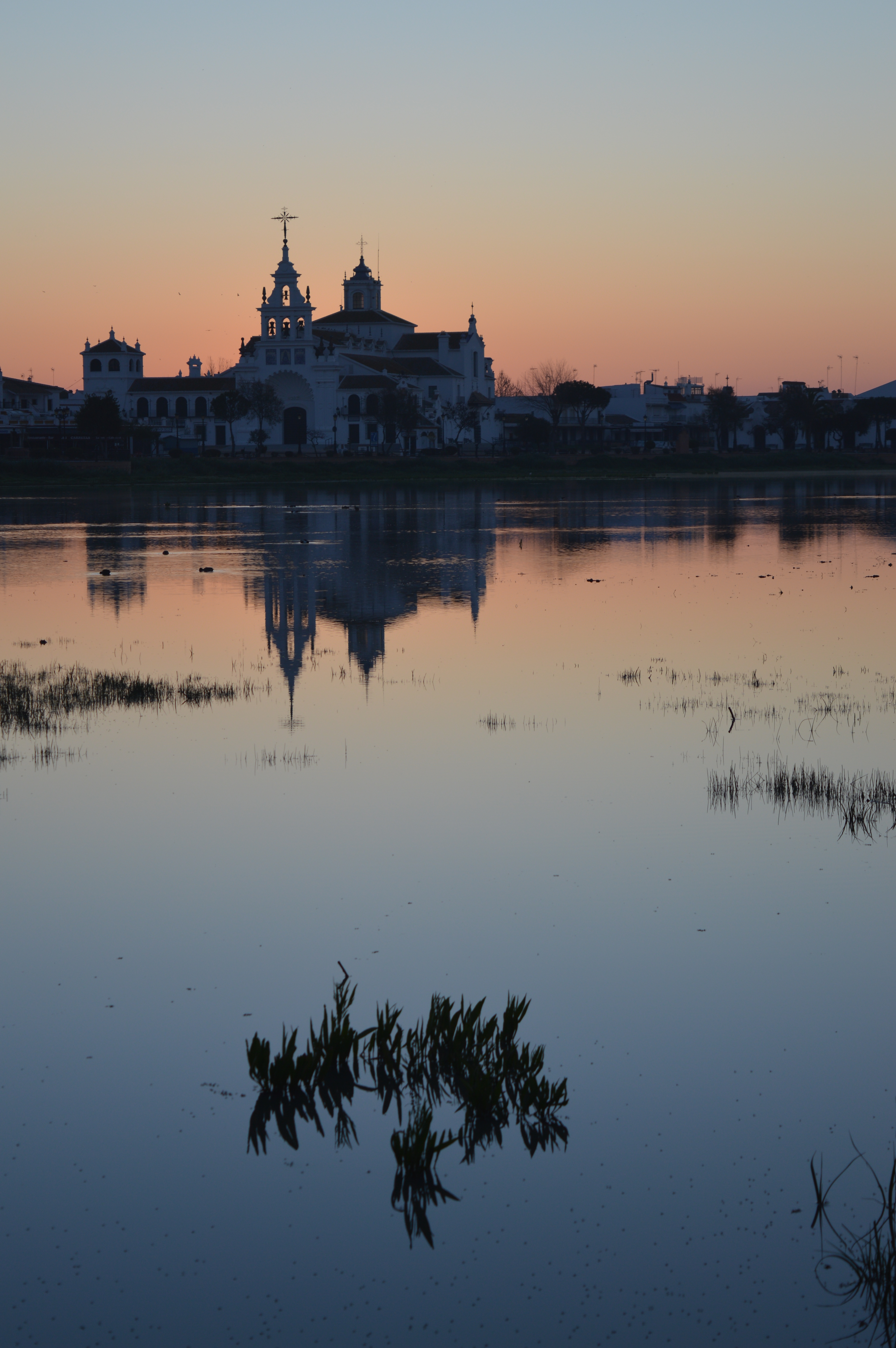
The funny thing about travel and this idea of ‘finding yourself’ is that no two people ever feel the same way about a place. I remember all the raised eyebrows when I used to tell colleagues that my favourite place in all of Spain was a town in the western marshes of Andalusia by the name of El Rocío. Outside of romería season, it’s ostensibly little more than a cluster of whitewashed houses overlooking a seasonal lagoon in arguably the flattest corner of the peninsula, where you can stare across the horizon and see nothing but mile upon mile of shimmering heat. And yet, there is something about that corner of Huelva that calls to me, some spell that weaved its secret magic on me a long time ago.
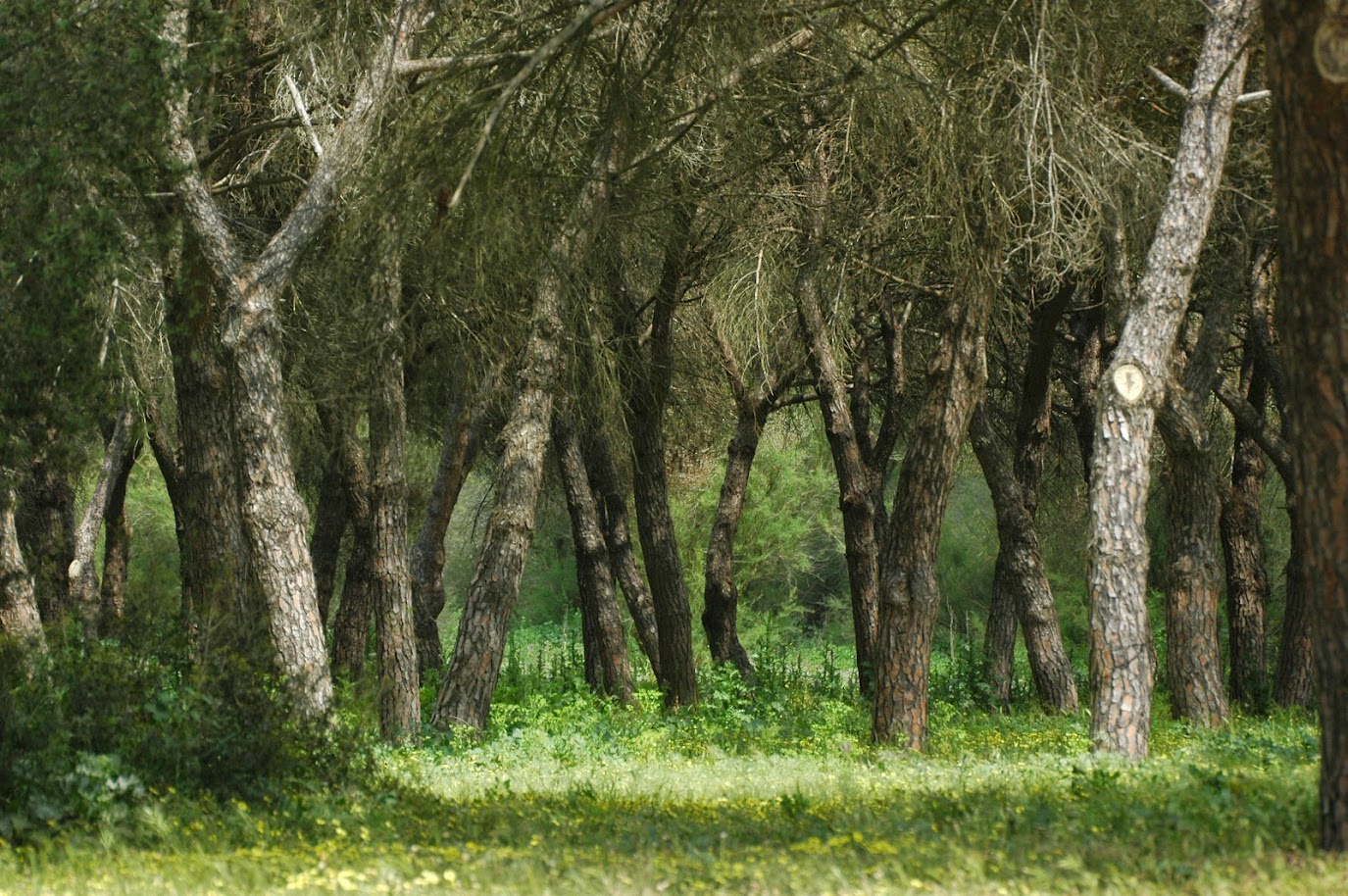
I’ve had the good fortune to travel across Spain a great deal over the last few years, and there are a number of contenders now for that ever-congested corner of my heart. The gorge at Ronda and the green hills of La Vera. The limestone maw of Zaframagon and the devil’s leap of Monfrague. The vast steppe of Caceres and fair Trujillo, a throne set upon Extremadura’s golden fields. The lonely silhouette of Olvera, and Hornachos, jewel in the Moriscos’ crown and once proud watchtower over the Sierra Grande. Putting my extremely biased affection for Andalusia and Extremadura into a basket, you can add the mysterious heights of Montserrat, the windmill-crowned slopes of La Mancha and the awesome majesty of the Picos de Europa that once guided the weary conquistadors home. All this, and I know I’ve only really scratched the surface.
All the same, though my heart is spread across Spain with a rigour that would reduce a piece of toast to crumbs, there is still one spot that reigns supreme over them all. If you’ve been reading this blog since the beginning, you’ll have seen it over and over again in the header up there. But in case you missed it, here it is again.
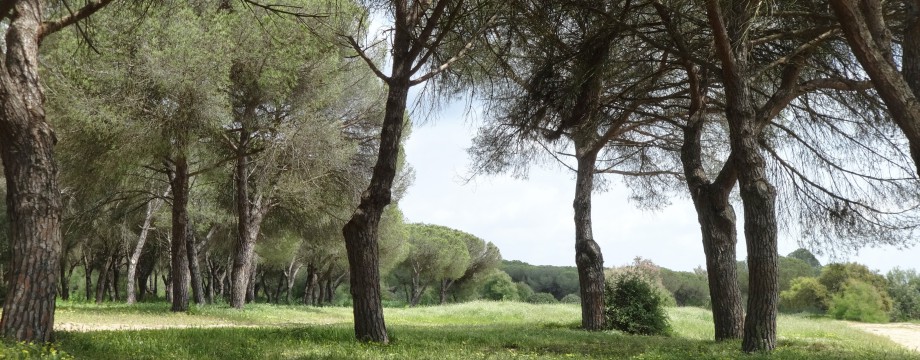
To the east of the sanctuary town of El Rocío lies the Raya Real, a sandy track that cuts through the heart of the Parque Nacional de Doñana. Once a year, it serves as the primary conduit for almost a million pilgrims who descend upon the town in colourful, bolshy gaiety (as only Spaniards can) to pay homage to the Blanca Paloma herself, the guardian patroness of the marshes. Like most pilgrimages, it’s as much about the journey as the destination, and listen to any one of the many sevillanas sung by the pilgrims and you’ll get a flavour for just how in tune they are with the world around them. What an excuse to journey through some of the most incredible scenery on God’s Earth, all while dressed to the nines!

This is all romantically hypothetical, of course. I’ve never seen the Romería in full swing. All the same, there’s this one patch of the Raya Real that I can see in my mind’s eye right now, if I close my eyes for a moment. As for you, dear reader, you need only direct your eyes back up at the top of this post. It’s that tree on the left.
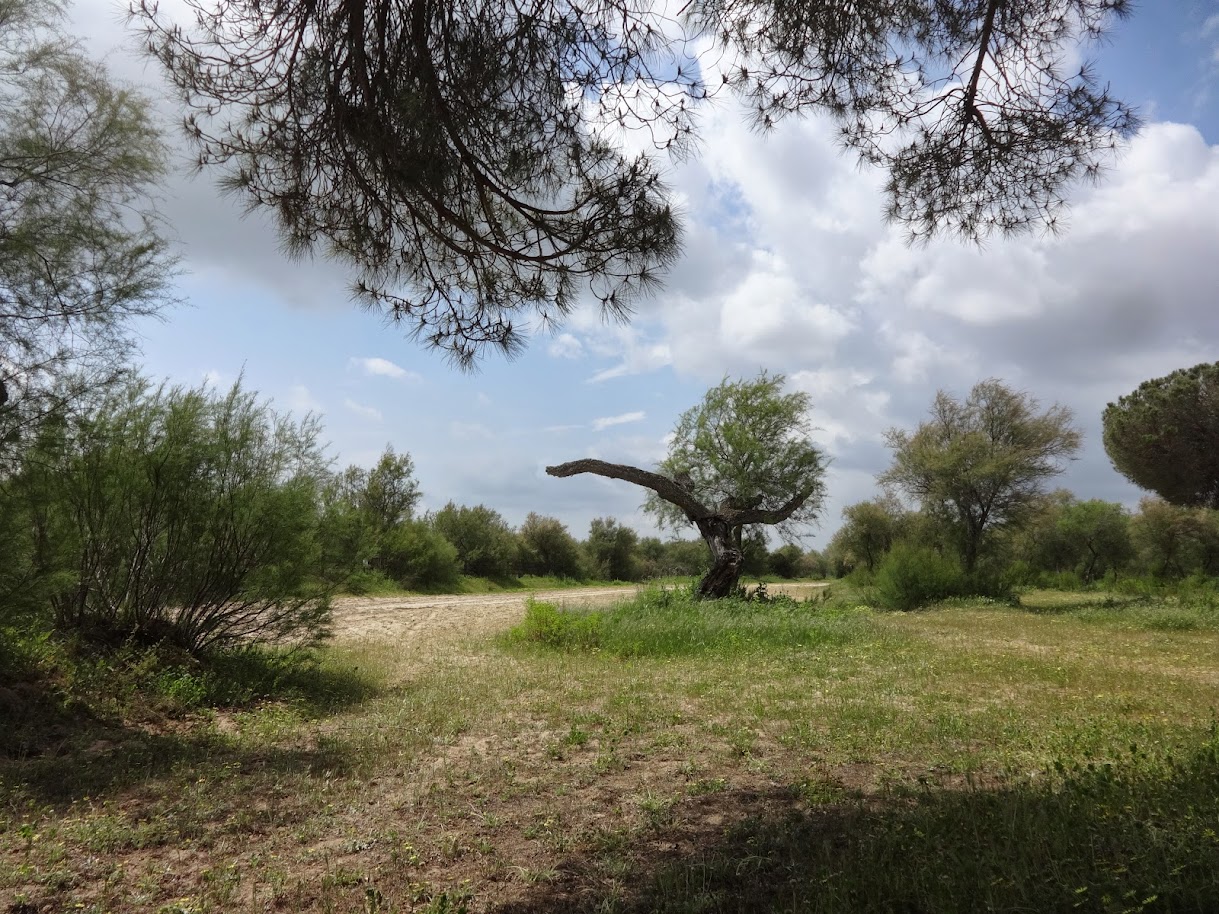
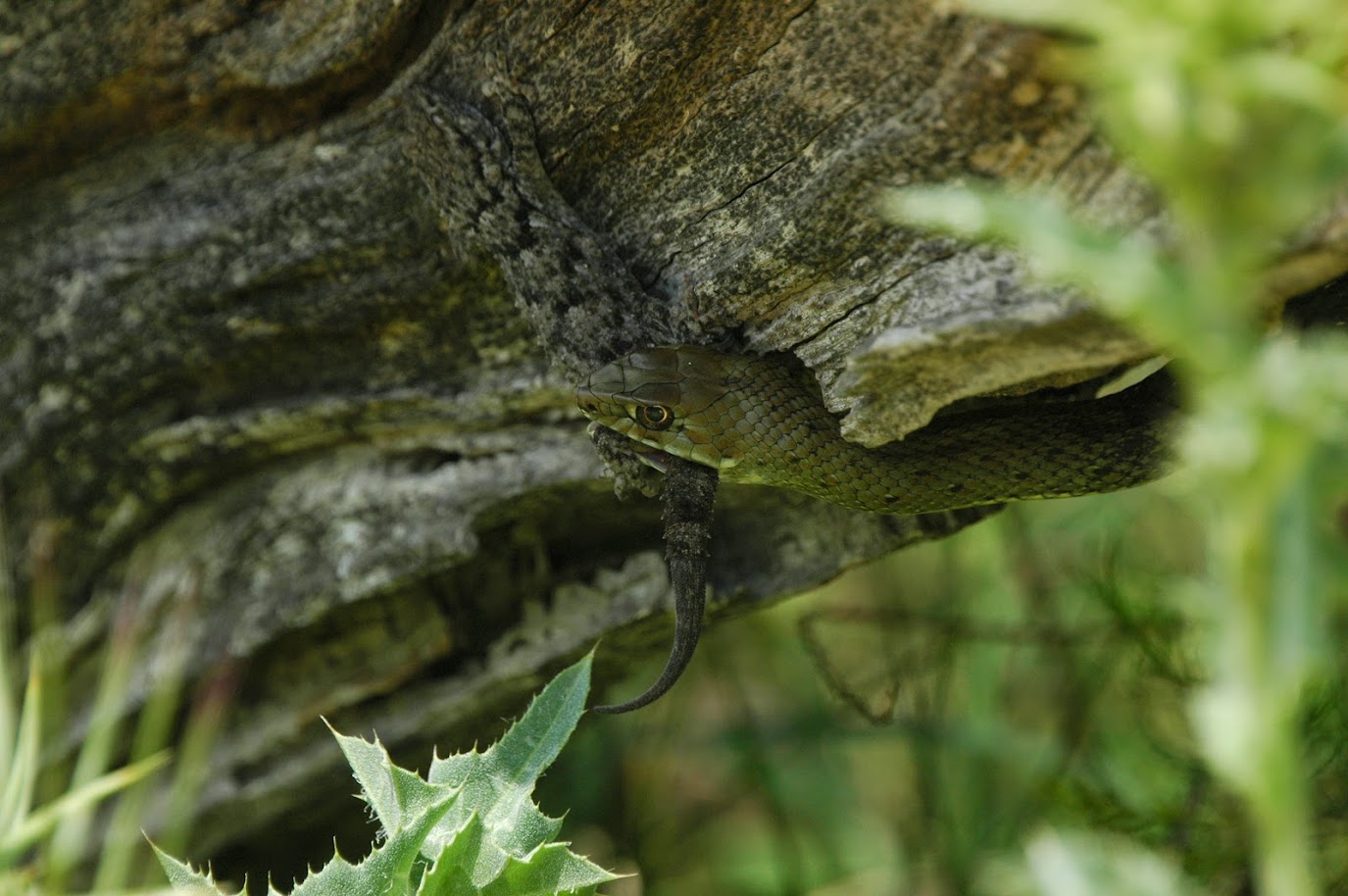
There’s a cluster of stone-pine trees (acebuches) that grow in an island of grass where the Raya Real forks temporarily, before the two tracks converge at the Puente del Ajolí, the last stop on the pilgrimage. A dead tree stands at its westernmost edge, which more often than not hides a gecko or two – I even spooked a Montpelier’s snake mid-hunt here once. A stand of ashes flank the edge of the great pinar, where cuckoos sometimes sing, and in the skies above the Raya Real, bee-eaters go wheeling and soaring in the spring, with bellies like sapphires, backs like rubies and voices like springwater.
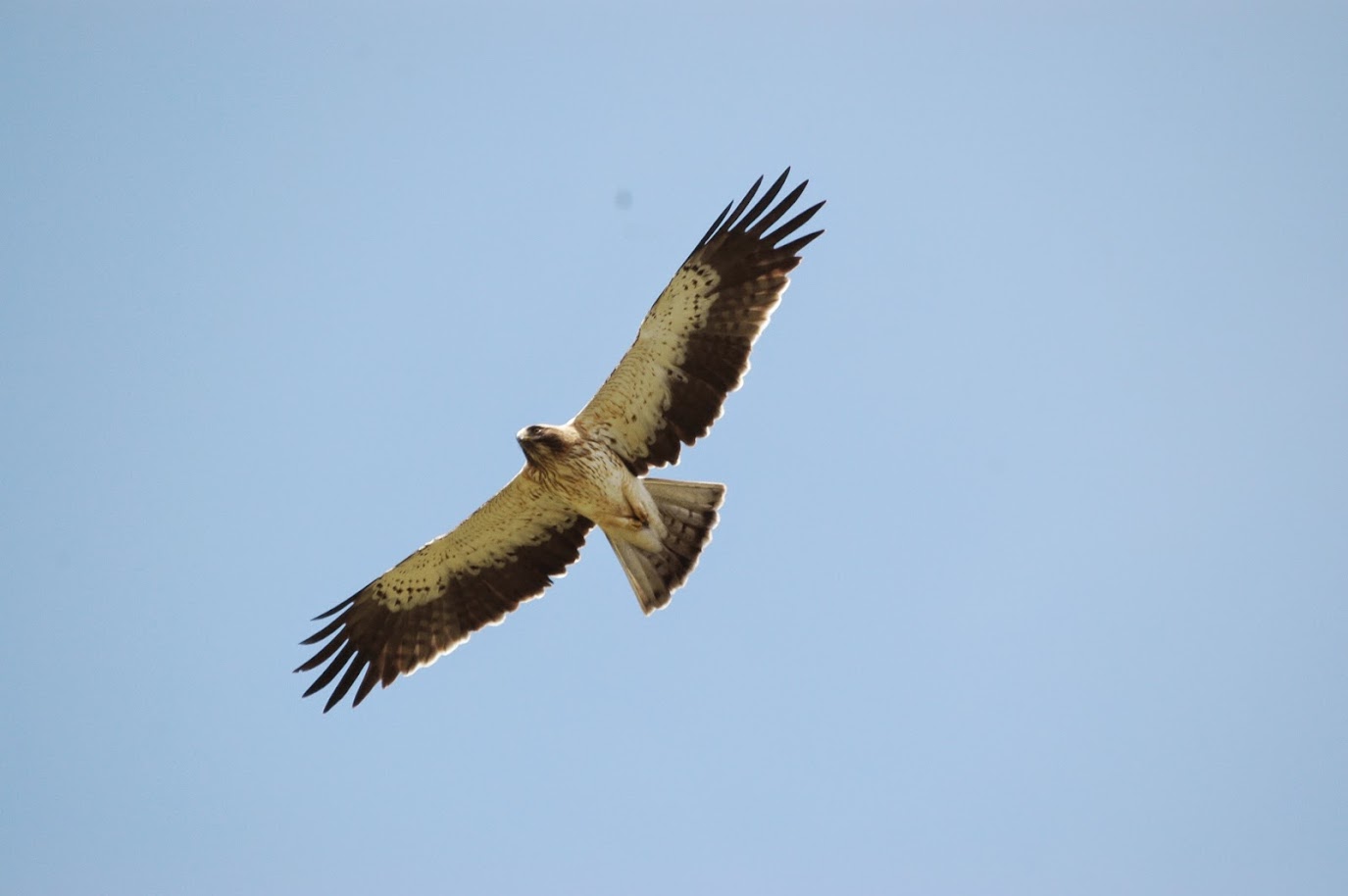
Here, under the shadow of the stone pines, I used to sit when I was a boy and listen. After a few seconds you tune in to the silence and hear it all. The wind over the shimmering plains, the rustle of the ash trees. The whistling kites overhead and the mechanical clang of a butcher-bird in one of the branches nearby. From somewhere far off, a panzorrino (native) calling to his horses, or the bark of a dog. Open your eyes for a moment and stare into the blue, and you might see a tiny speck or two up high in the heavens; a griffon and his mate, perhaps, riding the thermals above the coto below. Just once I saw a Spanish Imperial Eagle here, soaring high above the kites below. Maybe that was the first wave of the wand for me – I was a highly impressionable novice birdwatcher at the time. And though it’s kites and booted eagles that have plied the skies on every return visit, the magic in those splayed wings is always there.
In my eighteenth year, I remember sitting beneath my tree, leafing through a copy of Lorca’s Yerma that I’d picked up in town, when a couple of horses rode down the track nearby, one mounted, one riderless. A local girl had fallen from her horse some way back and tried unsuccessfully to get back into the saddle for a few hundred metres. She asked if I could lend a hand, and so I did, giving her my hands to step up and back into the saddle. I watched them go, I heard them laugh and look back, and I went back to my tree, to Yerma and the kites. A golden opportunity to get to know the town of my dreams through its people slipped through my fingers like the sand on which it stands. I’d make some quip about the Virgen del Rocío being a jealous woman, but I really think I had my head in the clouds then and there.
Fool.

Is there a place you return to in spirit, even if you can’t be there in person? This is mine, beneath the shade of the stone pines on the Raya Real. Millions pass by that tree every year without knowing the connection I have to that singular tree, to the kites that nested in its branches once, to the snakes and geckos and their game of cat-and-mouse about its roots. And why should they, when their goal is in sight? They don’t need to do any soul-searching: la Blanca Paloma waits with open arms.
I’ll leave you with a couple of lines from one of my favourite sevillanas that conjures up some of the magic where my words fail. If you like, you can listen to it here – sevillanas should never be read when they can be sung – performed by that band which takes its very name from the road of my dreams: Raya Real.
Las llanuras ardientes de la marisma
El ganado retinto con paso lento
Se acerca hasta el arroyo que esta sediento
Seco está el monte bajo, seco está el rio
Los pastos del invierno ya se han perdido
El Rocío es un milagro, una mañana lo vi
Cuando Triana cruzaba el Puente del Ajolí…
Until next time. BB x
 The Book of Barnabas